

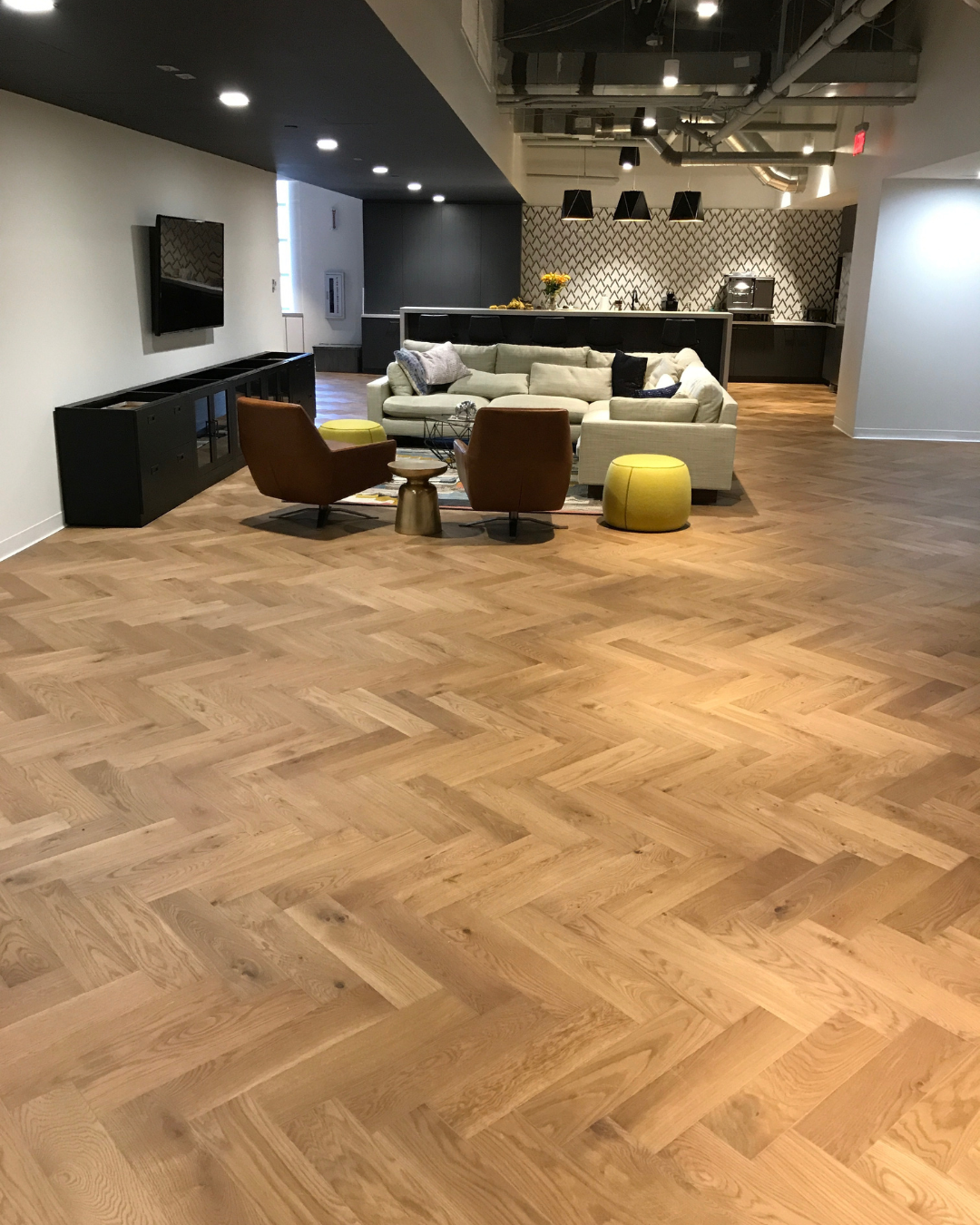
What Is Custom Hardwood Flooring? A Complete Guide
Hardwood flooring is no longer a one-size-fits-all product. In luxury homes especially, designers and homeowners are increasingly moving beyond standard flooring options in favor of fully customized solutions tailored to the architecture, interior design, and overall vision of the space.
Custom hardwood flooring allows for greater control over everything from plank width and finish to color, texture, and overall aesthetic. And when paired with French white oak, it offers one of the most refined and versatile flooring solutions available today.
In this guide, we’ll break down what custom hardwood flooring is, how it differs from standard flooring, and why French white oak has become one of the most popular materials for custom flooring projects.
What Is Custom Hardwood Flooring?
Custom hardwood flooring refers to flooring that is specifically tailored to the needs of a project rather than selected from a limited set of standard, pre-finished options.
Customization can include:
- Plank width
- Board length
- Color and stain
- Texture and finish
- Grade selection
- Installation pattern
Rather than choosing from mass-produced flooring, custom hardwood flooring allows designers and homeowners to create a more intentional and cohesive result.
To explore available options, view:
Custom Hardwood Flooring
Why French White Oak Is Ideal for Custom Flooring
Not every wood species performs equally when it comes to customization. French white oak has become one of the most requested materials in luxury flooring because of its consistency, stability, and ability to take finish exceptionally well.
French white oak is especially valued for:
- Tight, refined grain
- Subtle natural variation
- Excellent stain absorption
- Compatibility with wide plank formats
This versatility allows it to work across a wide range of interior styles, from modern and minimalist to warm transitional spaces.
You can explore available styles here:
👉 French White Oak Flooring Collection
What Can Be Customized?
One of the biggest advantages of custom hardwood flooring is the level of design flexibility it offers.
1. Custom Plank Widths
Plank width has a major impact on the overall feel of a space.
Wider planks create:
- A more open, modern look
- Fewer visual seams
- Greater emphasis on the natural grain of the wood
Narrower planks tend to feel:
- More traditional
- More detailed
- More formal
French white oak is particularly well-suited for wide plank flooring because of its stability and consistent grain pattern.

2. Custom Board Lengths
Longer boards create a more seamless visual flow throughout the home.
Custom lengths can:
- Reduce end joints
- Enhance continuity between spaces
- Elevate the overall appearance of the floor
This is especially impactful in:
- Open floor plans
- Luxury residential projects
- Large-format spaces
3. Custom Colors and Finishes
One of the most important aspects of custom flooring is finish development.
French white oak can be customized into a wide range of tones, including:
- Light natural finishes
- Warm neutrals
- Smoked finishes
- Rich darker tones
Custom finishing also allows for:
- Matte textures
- Wire-brushed surfaces
- Reactive stains
- Low-sheen finishes
Because French white oak absorbs stain evenly, it provides greater consistency and control over the final result.
4. Custom Surface Texture
Texture affects both appearance and feel.
Popular texture options include:
- Smooth finishes
- Wire-brushed textures
- Hand-scraped surfaces
- Sawn-face visuals
Texture can influence how:
- Light interacts with the floor
- Grain appears visually
- Wear develops over time
5. Custom Installation Patterns
Beyond the material itself, custom flooring can include specialized layouts such as:
- Herringbone
- Chevron
- Mixed-width installations
- Custom transitions
These details help create a more architectural and distinctive final design.
Why Designers and Architects Choose Custom Hardwood Flooring
Custom flooring gives designers greater control over how a space ultimately feels.
Rather than adapting the design to fit a standard flooring product, the flooring can be tailored to support the overall architectural vision.
This is especially important in luxury homes where:
- Material consistency matters
- Large open spaces require visual cohesion
- Unique finishes are part of the design language
French white oak is often specified because it balances natural beauty with customization flexibility.
Custom Flooring vs Standard Pre-Finished Flooring
Standard Flooring
- Limited colors and widths
- Faster selection process
- More widely available
Custom Flooring
- Tailored to the project
- Greater design flexibility
- More cohesive final result
- Higher-end appearance
Custom flooring is typically chosen when:
- The design requires a specific aesthetic
- Standard options feel too limiting
- The project prioritizes long-term visual impact
Is Custom Hardwood Flooring Worth It?
For many luxury residential projects, the answer is yes.
Custom hardwood flooring allows for:
- Better integration with interior design
- More unique and elevated spaces
- Greater material consistency
- Long-term visual value
While it often requires more planning and investment upfront, it can significantly impact the overall quality and appearance of the home.

Common Misconceptions About Custom Flooring
“Custom flooring is only about color.”
In reality, customization includes dimensions, texture, finish, grading, and layout.
“Custom flooring is too complicated.”
Working with the right flooring partner simplifies the process significantly.
“All hardwood flooring looks the same.”
Subtle differences in width, finish, texture, and grading can dramatically change the final appearance of a space.
How to Start a Custom Flooring Project
When beginning a custom flooring project, consider:
1. Overall Design Style
Modern, transitional, rustic, or traditional?
2. Desired Tone and Finish
Light and natural? Warm and organic? Dark and dramatic?
3. Plank Width and Scale
How will the flooring relate to the size of the rooms and architecture?
4. Long-Term Lifestyle
Consider maintenance, durability, and how the flooring will age over time.
To better understand how French white oak performs over time, read:
👉 French White Oak Flooring: The Complete Guide (2026 Update)
Final Thoughts
Custom hardwood flooring allows homeowners and designers to move beyond standard flooring options and create something more intentional, refined, and aligned with the overall vision of a space.
French white oak has become one of the leading materials for custom flooring because of its stability, versatility, and timeless appearance. Whether you’re customizing width, finish, texture, or color, it offers the flexibility needed to create truly elevated interiors.
As luxury home design continues to prioritize personalization and natural materials, custom French white oak flooring remains one of the most impactful design investments available.
FAQ: Custom Hardwood Flooring
What is custom hardwood flooring?
Custom hardwood flooring is flooring tailored to a project’s specific design needs, including custom widths, colors, finishes, textures, and layouts.
Is custom hardwood flooring more expensive?
Yes. Custom flooring typically costs more than standard flooring because it involves specialized manufacturing and finishing processes.
Why is French white oak popular for custom flooring?
French white oak offers a refined grain pattern, excellent stain absorption, and strong stability, making it ideal for custom finishes and wide plank formats.
Can hardwood floor color be customized?
Yes. French white oak can be customized into a wide range of tones and finishes.
Is custom hardwood flooring worth it?
For many luxury homes, yes. It creates a more cohesive, personalized, and high-end final result.
