

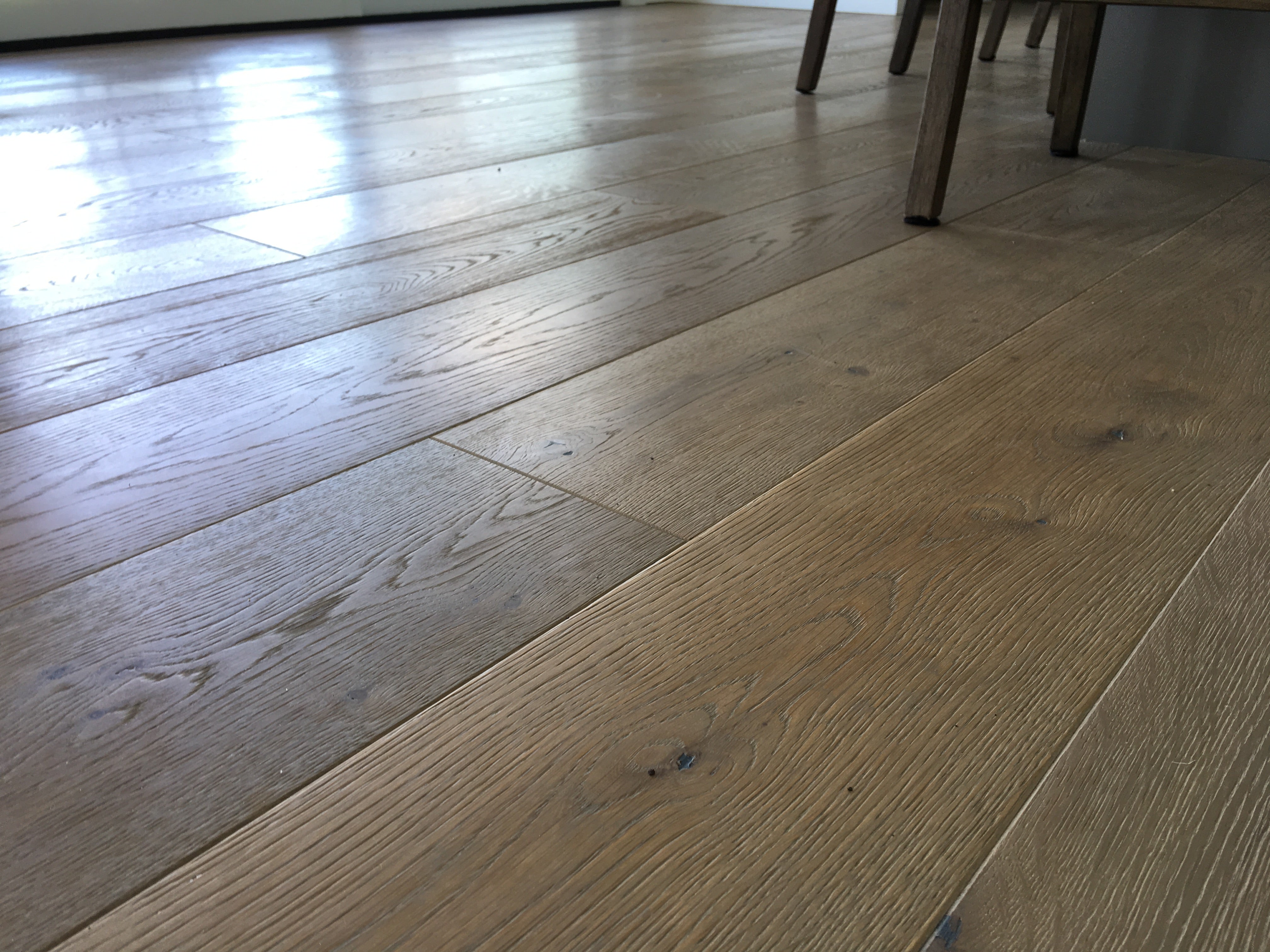
The Most Popular French White Oak Floor Colors in Luxury Homes
Choosing the right floor color is one of the most important design decisions in any home. It sets the tone for the entire space and influences everything from cabinetry to wall color to furniture selection.
French white oak has become a preferred material for luxury homes not just because of its durability—but because of how well it takes color. Its natural grain and neutral base make it one of the most versatile woods for custom finishes.
In this guide, we’ll break down the most popular French white oak floor colors used in high-end homes today, and how to choose the right one for your project.
Why French White Oak Is Ideal for Custom Floor Colors
Not all hardwood flooring responds to color the same way. French white oak stands out because of its ability to absorb stain evenly and maintain a natural, organic look.
This allows for:
-
Greater control over final color
-
More consistency across planks
-
A wider range of tones—from very light to deep and rich
If you’re exploring options, you can view available styles here: French White Oak Flooring Collection
The Most Popular French White Oak Floor Colors
While trends evolve, several color categories consistently dominate in luxury homes.
1. Light Natural Tones
Light, natural finishes are one of the most popular choices in modern design.
These floors typically feature:
-
Soft beige and neutral tones
-
Minimal color saturation
-
A raw, organic look
They work especially well in:
-
Modern homes
-
Scandinavian-inspired interiors
-
Coastal designs
Light tones also help spaces feel:
-
Brighter
-
Larger
-
More open
2. Warm Neutral Tones
Warm neutrals are a timeless option that adds subtle richness without feeling too dark.
These tones often include:
-
Honey
-
Light brown
-
Soft amber
They pair well with:
-
Traditional interiors
-
Transitional designs
-
Natural materials like stone and wood
Warm tones create a sense of comfort while still feeling elevated.
3. Medium Brown Tones
Medium brown floors offer a balanced, versatile look.
They are:
-
Slightly deeper than natural tones
-
Less dramatic than dark floors
-
Easy to maintain visually
This makes them a popular choice for:
-
Family homes
-
High-traffic areas
-
Spaces where practicality and design need to align
4. Smoked and Reactive Finishes
Smoked finishes are created through a process that reacts with the natural tannins in the wood, producing unique tonal variation.
The result:
-
More depth and dimension
-
Subtle color variation
-
A more custom, artisanal look
These finishes are often used in:
-
High-end residential projects
-
Designer-driven spaces
-
Homes where uniqueness is a priority
5. Dark, Dramatic Tones
Dark floors create contrast and a bold, sophisticated look.
They are often used in:
-
Formal spaces
-
Contemporary interiors
-
High-contrast designs
However, they tend to:
-
Show dust and wear more easily
-
Require more maintenance
Because of this, they are typically used more selectively in modern homes.
How to Choose the Right Floor Color
Selecting the right color isn’t just about preference—it’s about how the flooring interacts with the rest of the space.
1. Consider Lighting
Natural and artificial lighting can significantly impact how a floor color appears.
-
Light floors reflect more light
-
Dark floors absorb more light
-
Undertones can shift depending on the environment
Always view samples in the actual space before making a decision.
2. Coordinate with Other Materials
Your flooring should work with:
-
Cabinetry
-
Wall color
-
Countertops
-
Furniture
French white oak is particularly valuable here because it can be customized to match or complement these elements.
3. Think About Long-Term Design
Trendy colors can quickly feel outdated.
Neutral tones—especially light and medium shades—tend to:
-
Age better
-
Adapt to design changes
-
Appeal to a broader audience
Why Designers Prefer Custom Floor Colors
Rather than choosing a standard stain, many designers opt for custom finishes to achieve a more tailored result.
Custom color allows for:
-
Exact tone matching
-
Greater design control
-
A more unique final product
French white oak is one of the best materials for this because of its consistency and ability to take stain evenly.
Common Mistakes When Choosing Floor Color
-
Choosing a color based on a small sample only
-
Not considering how lighting affects tone
-
Ignoring how floors connect to stairs and other elements
-
Following trends without considering long-term use
Final Thoughts
French white oak offers one of the widest ranges of color possibilities in hardwood flooring, making it a top choice for designers and homeowners alike.
Whether you prefer light, natural tones or deeper, more dramatic finishes, the ability to customize color ensures your flooring aligns with your overall design vision.
To better understand how French white oak fits into your overall flooring strategy, read the full guide: French White Oak Flooring: The Complete Guide (2026 Update)
FAQ: French White Oak Floor Colors
What is the most popular hardwood floor color right now?
Light, natural tones are currently the most popular, especially in modern and luxury homes.
Are light or dark wood floors better?
Light floors tend to make spaces feel larger and show less dust, while dark floors create more contrast but require more maintenance.
Can French white oak floors be stained any color?
French white oak is highly versatile and can be customized into a wide range of colors, from light neutrals to dark tones.
Do hardwood floor colors go out of style?
Trends change, but neutral tones tend to remain timeless and adaptable.
Should floors be lighter or darker than cabinets?
It depends on the design, but many designers prefer contrast to create visual interest.
