

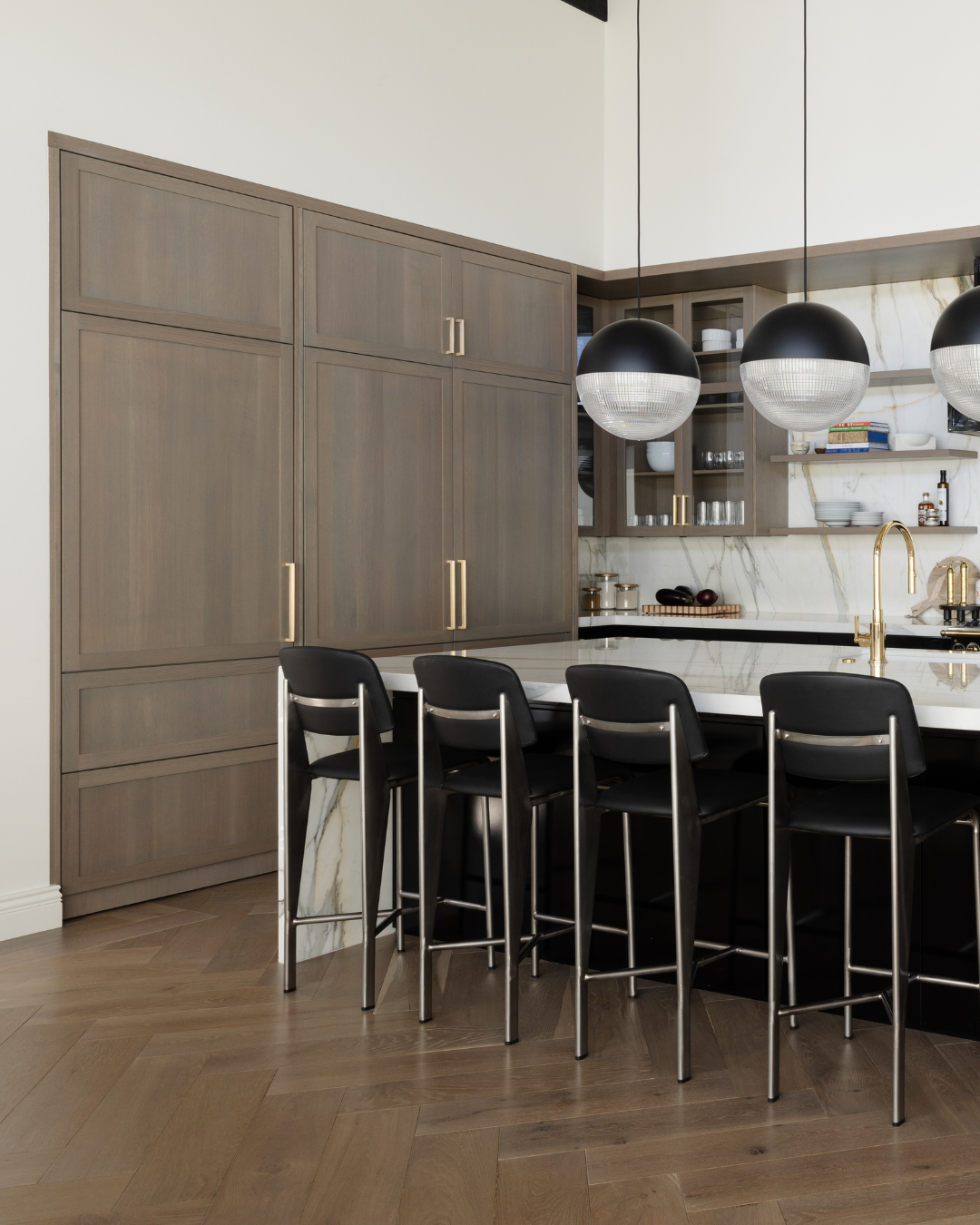
Matching French White Oak Floors to Cabinets, Walls, and Interior Design
Flooring is one of the largest visual elements in any home, which means it influences nearly every other design decision in the space. Cabinetry, wall color, furniture, countertops, and lighting all interact with the flooring—and when those elements work together cohesively, the entire home feels more refined and intentional.
French white oak flooring has become a favorite among designers because of its versatility. Its neutral undertones, refined grain pattern, and ability to take custom finishes make it easier to coordinate with a wide range of interior styles and materials.
In this guide, we’ll explore how to match French white oak flooring with cabinets, walls, and overall interior design to create a balanced and timeless result.
Why French White Oak Works So Well in Interior Design
One of the biggest advantages of French white oak flooring is its flexibility.
Compared to many other hardwood species, French white oak tends to have:
- Softer undertones
- More refined grain movement
- Better color consistency
- A more natural appearance
This allows it to work across many design styles without overpowering the space.
To explore available styles, view:
👉 French White Oak Flooring Collection: /collections/french-white-oak-flooring
Start with the Overall Design Style
Before selecting flooring color or finish, it’s important to define the overall aesthetic of the home.
French white oak flooring works especially well in:
- Modern interiors
- Transitional homes
- European-inspired spaces
- Organic contemporary design
- Coastal and minimalist interiors
Because the flooring becomes the visual foundation of the home, every surrounding material should support that larger design direction.
Matching French White Oak Floors with Cabinets
Cabinetry and flooring are often the two largest material surfaces in a home, particularly in kitchens and open-concept spaces.
The goal is not necessarily to match them exactly—but to create balance and contrast.
Light French White Oak Floors + White Cabinets
This combination remains one of the most popular choices in luxury homes.
Why it works:
- Feels bright and open
- Reflects natural light beautifully
- Creates a clean and timeless aesthetic
To prevent the space from feeling flat, designers often add:
- Warm textures
- Natural stone
- Matte finishes
- Soft contrast through hardware or lighting
Warm French White Oak Floors + Natural Wood Cabinets
Warm neutral French white oak flooring pairs exceptionally well with:
- White oak cabinetry
- Walnut accents
- Natural wood tones
This creates a softer and more layered interior with a more organic feel.
The key is ensuring undertones feel cohesive rather than competing.
French White Oak Floors + Dark Cabinets
Darker cabinetry creates contrast and visual depth against lighter French white oak floors.
This combination works especially well in:
- Modern homes
- Contemporary kitchens
- High-contrast interiors
French white oak helps soften darker cabinetry so the space still feels warm and approachable.
Matching French White Oak Flooring with Wall Colors
Wall color dramatically impacts how French white oak flooring appears throughout the day.
Because French white oak has relatively neutral undertones, it tends to work well with a wide range of wall colors.

Warm White Walls
Warm white paint colors pair beautifully with French white oak flooring because they enhance the natural warmth of the wood.
This creates:
- A softer atmosphere
- Better tonal cohesion
- A more inviting overall feel
This combination is especially common in:
- Organic modern interiors
- Transitional homes
- European-inspired spaces
Neutral Beige and Taupe Walls
Soft neutral wall colors help reinforce the natural character of French white oak flooring.
These tones create:
- Warmth without heaviness
- A calm and timeless aesthetic
- Better material layering
Cooler Wall Colors
Cool gray or stark white walls can sometimes make French white oak appear warmer by comparison.
This isn’t necessarily bad, but balance becomes more important.
Designers often soften cooler palettes with:
- Texture
- Natural materials
- Warm lighting
- Matte finishes
Why Undertones Matter
One of the most important parts of coordinating flooring and interiors is understanding undertones.
French white oak flooring can lean:
- Warm
- Neutral
- Slightly cool depending on the finish
Cabinets, walls, countertops, and furnishings should complement these undertones rather than compete with them.
This is one of the reasons custom finish development is so important in luxury homes.
If you’re exploring custom finishes, view:
👉 Custom Hardwood Flooring: /pages/custom-flooring
How Lighting Changes French White Oak Flooring
Lighting significantly affects how flooring color is perceived.
The same French white oak floor may appear:
- Warmer in direct sunlight
- Cooler in shaded spaces
- More textured under directional lighting
This is why flooring samples should always be viewed in the actual environment before final decisions are made.
Natural light, artificial light, and even ceiling height can influence how the flooring interacts with the rest of the interior.
Coordinating French White Oak Flooring with Interior Design Styles
Modern Interiors
Modern homes often pair French white oak flooring with:
- Minimalist cabinetry
- Matte finishes
- Neutral palettes
- Large-format materials
Wide plank French white oak flooring helps create the clean, seamless appearance modern spaces are known for.

Transitional Interiors
Transitional homes balance traditional warmth with modern simplicity.
French white oak works especially well here because it:
- Feels timeless
- Supports layered materials
- Creates softness without feeling overly rustic
European-Inspired Interiors
French white oak flooring is heavily associated with European-inspired design because of its:
- Natural tones
- Wide plank formats
- Matte finishes
- Organic textures
This style emphasizes warmth, restraint, and material authenticity.
Common Mistakes When Matching Flooring to Interiors
Trying to Match Everything Perfectly
The goal is coordination—not exact matching.
Too much sameness can make a space feel flat and overly designed.
Ignoring Undertones
Even beautiful materials can clash if undertones compete with one another.
Choosing Flooring in Isolation
French white oak flooring should always be considered alongside:
- Cabinetry
- Countertops
- Paint
- Furniture
- Lighting
The flooring is part of the overall composition of the home.
Final Thoughts
French white oak flooring has become one of the most versatile and designer-friendly flooring materials available because of how naturally it works with a wide range of interiors.
Its refined grain, neutral undertones, and ability to take custom finishes make it easier to coordinate with cabinetry, wall colors, and architectural materials while maintaining a cohesive and timeless aesthetic.
Whether paired with light modern interiors, warm natural materials, or high-contrast contemporary spaces, French white oak flooring continues to provide a balanced and elevated foundation for luxury home design.
To better understand how custom French white oak finishes are developed, read the full guide:
👉 How Custom French White Oak Floor Colors Are Created
FAQ: Matching French White Oak Flooring with Interior Design
What cabinet colors work best with French white oak flooring?
White, warm wood tones, and darker contrasting cabinetry all pair beautifully with French white oak flooring depending on the overall design style.
Does French white oak flooring work with modern interiors?
Yes. Wide plank French white oak flooring is especially popular in modern and luxury homes because of its clean and refined appearance.
Should hardwood floors match cabinets?
Not exactly. The goal is coordination and balance rather than perfect matching.
What wall colors work best with French white oak flooring?
Warm whites, soft neutrals, and natural tones tend to pair especially well with French white oak flooring.
Why is French white oak so popular in luxury homes?
French white oak offers refined grain patterns, versatility, stability, and timeless aesthetics that work across many interior styles.
