

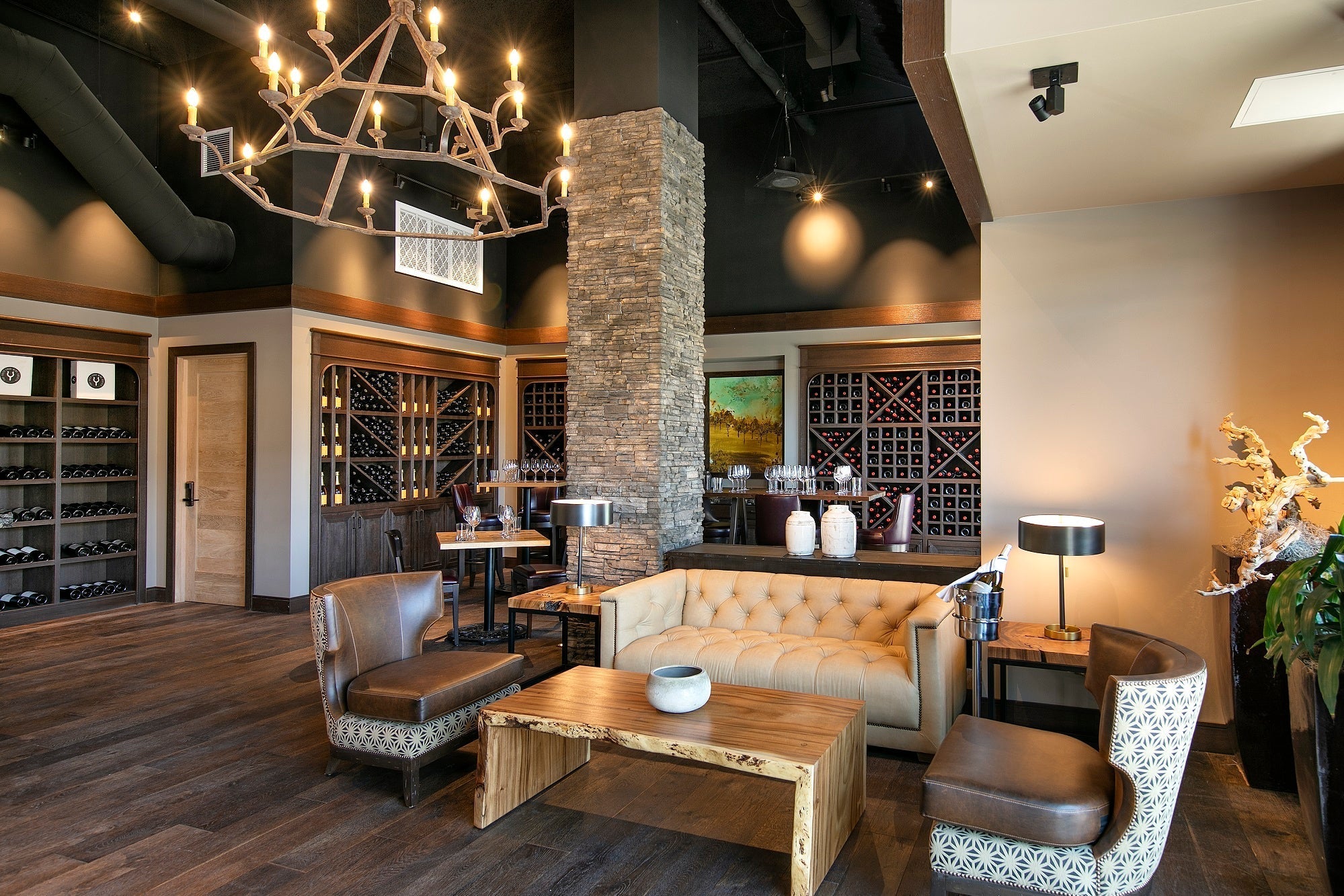
Light vs Dark French White Oak Floors: What Designers Recommend
One of the biggest decisions homeowners and designers make when selecting flooring is whether to go with a light or dark floor color. Because flooring covers such a large visual surface, the tone of the floor dramatically affects how a home feels, how natural light interacts with the space, and how other materials work together.
French white oak flooring has become especially popular because it offers exceptional flexibility across both light and dark finishes while maintaining a refined and natural appearance.
In this guide, we’ll explore the differences between light and dark French white oak floors, how designers approach the decision, and which styles tend to work best in different types of interiors.
Why French White Oak Works So Well in Both Light and Dark Finishes
French white oak is one of the most versatile hardwood flooring materials available because of its:
- Neutral undertones
- Refined grain structure
- Consistent appearance
- Ability to absorb finish evenly
Unlike some wood species that become overly yellow, red, or saturated when stained, French white oak tends to maintain a softer and more natural look across a wide range of finishes.
This versatility allows designers to create everything from light Scandinavian-inspired interiors to deeper, moodier contemporary spaces.
To explore available styles, view:
👉 French White Oak Flooring Collection
Why Light French White Oak Floors Have Become So Popular
Light French white oak flooring has become one of the most requested looks in luxury residential design over the last several years.
Designers often prefer lighter tones because they:
- Feel timeless
- Reflect natural light beautifully
- Create a more open atmosphere
- Support modern and organic interiors
Benefits of Light French White Oak Flooring
1. Makes Spaces Feel Larger
Lighter floors reflect more light and create a greater sense of openness.
This is especially beneficial in:
- Open-concept homes
- Smaller rooms
- Homes with limited natural light
Wide plank light French white oak flooring can create a particularly seamless and expansive appearance.
2. Creates a Softer, More Natural Aesthetic
Light French white oak flooring tends to feel:
- More organic
- More relaxed
- Less visually heavy
This is one of the reasons it’s commonly used in:
- Modern interiors
- European-inspired homes
- Coastal and minimalist spaces
3. Hides Dust and Minor Wear Better
Compared to darker floors, lighter French white oak flooring tends to:
- Show less dust
- Conceal small scratches more effectively
- Feel lower maintenance visually
This makes it especially practical for busy households.
Why Some Designers Still Prefer Dark French White Oak Floors
While lighter floors dominate many current trends, dark French white oak flooring continues to be used in luxury homes for its depth, richness, and dramatic contrast.
Dark floors can create a more:
- Formal atmosphere
- Architectural look
- High-contrast design aesthetic
Benefits of Dark French White Oak Flooring
1. Adds Depth and Contrast
Dark flooring creates stronger visual definition within a space.
This works especially well when paired with:
- Light walls
- Natural stone
- Minimalist cabinetry
- Modern architecture
French white oak’s refined grain helps darker finishes feel sophisticated rather than overly heavy.
2. Creates a More Dramatic Interior
Dark French white oak flooring often feels:
- More moody
- More formal
- More design-forward
This aesthetic is especially popular in:
- Contemporary homes
- Luxury urban interiors
- Spaces with strong architectural contrast
3. Enhances Material Contrast
Dark flooring can make:
- Furniture stand out more clearly
- Light cabinetry feel brighter
- Architectural elements feel more defined
This creates stronger visual layering throughout the home.
What Designers Recommend Today
Most designers currently lean toward lighter and more natural French white oak finishes because they:
- Feel more timeless
- Work across more interior styles
- Adapt better as trends evolve
- Create a softer overall environment
Matte and low-sheen finishes are especially popular because they enhance the natural beauty of French white oak without making the flooring feel overly processed.
However, darker finishes still work beautifully when used intentionally and paired with the right architectural elements.
If you’re exploring custom finish options, view:
👉 Custom Hardwood Flooring
How Lighting Affects Light vs Dark Floors
Lighting dramatically impacts how French white oak flooring appears throughout the day.
Light Floors in Natural Light
Light French white oak flooring tends to:
- Reflect sunlight softly
- Enhance openness
- Create a brighter atmosphere
This is one of the reasons light finishes work especially well in homes with:
- Large windows
- Open layouts
- Minimalist interiors

Dark Floors in Natural Light
Dark floors absorb more light and create stronger contrast.
This can feel:
- Rich and dramatic
- Sophisticated and architectural
…but in darker rooms, very dark flooring can sometimes make the space feel smaller or heavier.
How to Decide Between Light and Dark French White Oak Flooring
Choose Light French White Oak Flooring If You Want:
- A brighter, more open feel
- A timeless and natural aesthetic
- A softer modern appearance
- Lower visual maintenance
Choose Dark French White Oak Flooring If You Want:
- Stronger contrast
- A moodier atmosphere
- More dramatic interiors
- A bold architectural statement
Why Wide Plank French White Oak Flooring Changes the Decision
Wide plank flooring amplifies both light and dark finishes because more wood surface is visible.
Light wide plank French white oak flooring tends to feel:
- Airy
- Seamless
- Organic
Dark wide plank flooring tends to feel:
- More dramatic
- More luxurious
- More architectural
Because wide planks expose more grain and texture, finish quality becomes even more important.

Common Mistakes When Choosing Floor Color
Following Trends Too Aggressively
Flooring should support the long-term design of the home rather than short-term trends.
French white oak performs especially well because it remains timeless across a wide range of finishes.
Ignoring Natural Light
Lighting can dramatically change how flooring color appears throughout the day.
Always review flooring samples in the actual space before making a final decision.
Choosing Flooring Without Considering the Entire Home
Flooring should work cohesively with:
- Cabinetry
- Wall color
- Furniture
- Countertops
- Lighting
The best flooring decisions are made holistically rather than in isolation.
Final Thoughts
Both light and dark French white oak flooring can create beautiful, high-end interiors when used thoughtfully.
Light finishes tend to feel softer, more timeless, and more versatile, while darker finishes create depth, contrast, and a more dramatic atmosphere.
Because of its refined grain, neutral undertones, and ability to take custom finishes beautifully, French white oak remains one of the best materials for both light and dark flooring applications in luxury residential design.
To better understand how custom French white oak floor colors are developed, read the full guide:
👉 How Custom French White Oak Floor Colors Are Created
FAQ: Light vs Dark French White Oak Floors
Are light or dark French white oak floors more popular?
Light and natural French white oak finishes are currently more popular in luxury residential design because they feel timeless and versatile.
Do dark hardwood floors go out of style?
Not necessarily. Dark floors remain popular in certain architectural styles and luxury interiors, especially when paired with modern contrast.
Does light French white oak flooring make a room look bigger?
Yes. Light flooring reflects more light and creates a more open and expansive feel.
Are dark French white oak floors harder to maintain?
Dark floors tend to show dust, scratches, and debris more easily than lighter finishes.
Why is French white oak so versatile for floor color?
French white oak has neutral undertones and refined grain patterns that work beautifully across both light and dark finishes.
