

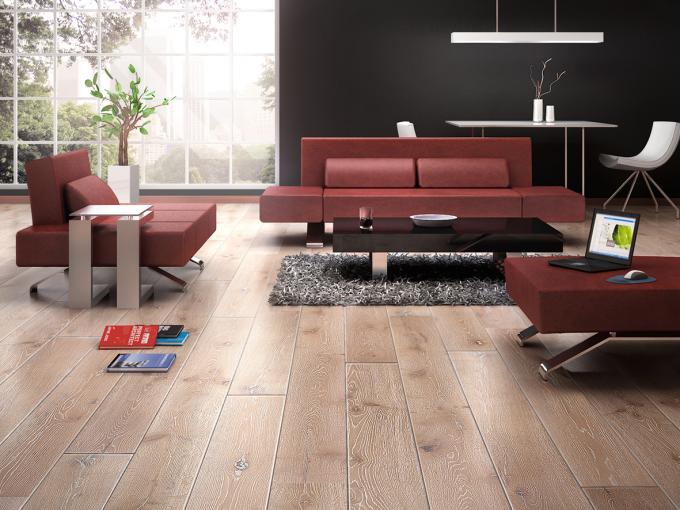
When choosing hardwood flooring, most people focus on how it looks today. But one of the most important questions—especially for long-term investment—is how it will look years from now.
French white oak flooring is known not only for its initial beauty, but for how well it ages over time. Unlike some materials that wear unevenly or lose their appeal, French white oak develops character while maintaining its structural integrity.
In this guide, we’ll explore how French white oak flooring changes over time, what to expect, and why it continues to be a top choice for luxury homes.
Does French White Oak Flooring Age Well?
Yes—French white oak is widely considered one of the best hardwood flooring options for long-term performance.
Over time, it:
-
Develops a natural patina
-
Softens in tone
-
Maintains its durability
Rather than looking worn out, it tends to look more refined and lived-in.
If you want to explore current styles, view:
French White Oak Flooring Collection
What Happens to French White Oak Over Time?
All natural wood changes with time, and French white oak is no exception. However, these changes are generally subtle and often desirable.
1. Color Softens and Warms
As French white oak ages, its color typically becomes slightly warmer and more muted.
-
Light tones may deepen slightly
-
Medium tones may become richer
-
Overall contrast tends to soften
This creates a more natural, cohesive look throughout the space.
2. A Natural Patina Develops
One of the most valued characteristics of French white oak is its ability to develop a patina.
A patina is a soft sheen or finish that forms over time through:
-
Foot traffic
-
Light exposure
-
Daily use
This gives the floor:
-
More depth
-
More character
-
A more authentic, lived-in appearance
3. Grain Becomes More Pronounced
As the finish settles and the wood ages, the grain of French white oak often becomes more visually dynamic.
This enhances:
-
Texture
-
Variation
-
Overall visual interest
4. Minor Wear Becomes Less Noticeable
Unlike some hardwoods, French white oak tends to hide wear well.
Its grain pattern and tone help:
-
Conceal small scratches
-
Blend minor imperfections
-
Maintain a clean appearance over time
This makes it a practical choice for:
-
High-traffic homes
-
Families with pets or children
How Finish Impacts Aging
The way French white oak ages is influenced heavily by the type of finish applied.
Matte and Natural Finishes
These finishes:
-
Age more gracefully
-
Show less surface wear
-
Enhance the natural patina
They are often preferred in modern and luxury homes.
Satin or Gloss Finishes
Higher-sheen finishes:
-
Reflect more light
-
Show scratches more easily
-
May require more maintenance over time
Custom Finishes
Custom finishes allow you to control how the floor will age.
You can tailor:
-
Tone
-
Texture
-
Level of sheen
Explore customization options here: Custom Hardwood Flooring
Does French White Oak Change with Sunlight?
Yes. Like all hardwood flooring, French white oak reacts to UV exposure over time.
However:
-
Changes are typically gradual
-
The effect is more subtle than many other species
To minimize uneven aging:
-
Use rugs in high-exposure areas
-
Rotate furniture periodically
-
Consider window treatments if needed
Engineered vs Solid: Does It Affect Aging?
From a visual standpoint, both engineered and solid French white oak age similarly because the top layer is real wood.
However:
Engineered flooring, like Artistry Flooring products
-
Offers more stability
-
Performs better in fluctuating environments
Solid flooring
-
Can be refinished more times
In most modern homes, engineered French white oak is the preferred option due to its performance and consistency.
Why Aging Is Actually a Benefit
One of the reasons French white oak is so popular in luxury design is that it doesn’t just maintain its look—it evolves.
Over time, it becomes:
-
More natural
-
More integrated into the space
-
More visually interesting
This is why it’s often used in:
-
High-end residential projects
-
Homes designed to last decades
-
Spaces where long-term aesthetics matter
Common Concerns About Aging
Will the color change too much?
No. Changes are typically subtle and gradual.
Will it look worn out?
No. French white oak tends to age gracefully and maintain a refined appearance.
Will scratches become more noticeable?
In most cases, no. The grain pattern helps conceal minor wear.
Is French White Oak a Good Long-Term Investment?
Yes. French white oak flooring is considered a long-term investment because it:
-
Maintains structural integrity
-
Ages attractively
-
Supports multiple design styles over time
Its ability to evolve while remaining visually appealing is one of its strongest advantages.
Final Thoughts
French white oak flooring doesn’t just look beautiful when it’s first installed—it continues to improve over time.
With proper care and the right finish, it develops character, depth, and warmth that enhance the overall design of a home.
If you’re considering French white oak as part of your project, understanding how it ages can help you make a more confident, long-term decision.
To see how it fits into your overall flooring strategy, read the full guide:
French White Oak Flooring: The Complete Guide (2026 Update)
FAQ: How French White Oak Flooring Ages
Does French white oak change color over time?
Yes, but the change is gradual and typically results in a warmer, more natural tone.
Does French white oak scratch easily?
Like all hardwood, it can scratch, but its grain pattern helps hide minor wear.
Is French white oak good for high-traffic areas?
Yes. It is durable and performs well in busy spaces.
Do hardwood floors get better with age?
High-quality hardwoods like French white oak often develop a desirable patina over time.
How do you maintain French white oak flooring?
Regular cleaning, proper care, and protecting high-traffic areas will help preserve its appearance.
